
Agricultural commodity trading represents one of the oldest and most essential forms of international commerce. From the wheat fields of Ukraine to the coffee plantations of Brazil, the movement of agricultural goods feeds billions and sustains livelihoods across the globe. In this comprehensive guide, I share insights from over two decades of trading experience that will help you navigate this complex but rewarding sector.
Understanding Agricultural Commodity Markets
The agricultural commodity market encompasses a diverse range of products, each with unique characteristics, price drivers, and trading considerations. Understanding these differences is fundamental to success in this space.
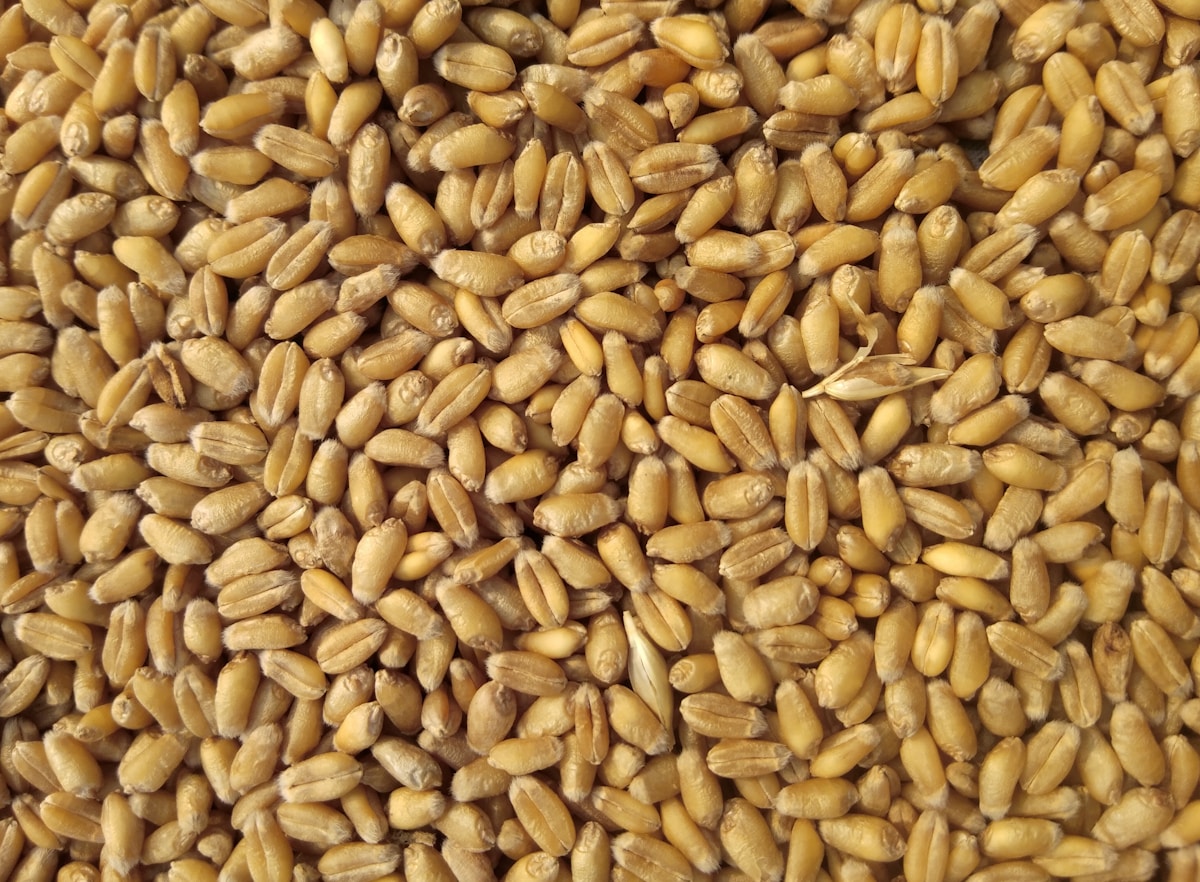
Grain commodities including wheat, corn, barley, and rice form the backbone of global food security. According to the Food and Agriculture Organization (FAO), global cereal production reached approximately 2.8 billion metric tons in recent years, with trade volumes exceeding 500 million metric tons annually. The major players in grain trading include nations like the United States, Brazil, Russia, Ukraine, and Argentina, which collectively account for over 60% of global grain exports.
Oilseeds, particularly soybeans, canola, and sunflower seeds, represent another critical segment. The soybean market alone is valued at over $150 billion annually, with China importing approximately 60% of globally traded soybeans. This concentration of demand creates both opportunities and vulnerabilities for traders.
Soft commodities such as coffee, cocoa, cotton, and sugar add diversity to trading portfolios. These goods often exhibit higher volatility than grains due to weather dependencies and speculative interest. For instance, coffee prices can swing 30-50% in a single season based on Brazilian harvest reports or Vietnamese export policies.
Key Factors Influencing Agricultural Commodity Prices
Successful commodity traders must develop a nuanced understanding of the numerous factors that drive price movements. Weather remains the most significant variable, with drought, flood, frost, and pest infestations capable of dramatically altering supply expectations.
In my trading career, I've witnessed how a single drought report can move corn prices by 10% in after-hours trading. The USDA's World Agricultural Supply and Demand Estimates (WASDE) report, released monthly, consistently triggers substantial market reactions. Smart traders position themselves before these reports, understanding that the real opportunity lies in anticipating market expectations rather than reacting to the numbers themselves.
Currency fluctuations also play a crucial role, particularly for traders operating across multiple currencies. A stronger US dollar typically压低 agricultural commodity prices since most commodities are priced in dollars. When the dollar strengthens against emerging market currencies, affordability decreases in key importing regions, potentially dampening demand.
Geopolitical events can disrupt trade flows almost instantaneously. Sanctions, export restrictions, port closures, and transportation bottlenecks all create trading opportunities for those positioned to respond quickly. The Russia-Ukraine conflict demonstrated how rapidly wheat prices could spike when two major exporting nations face disruption.
Sourcing Strategies for Agricultural Importers
Developing reliable sourcing channels requires building relationships with producers, understanding quality specifications, and managing logistics effectively. The origin of your commodities significantly impacts quality consistency, pricing, and regulatory compliance.
For wheat importers, major origins include US Hard Red Winter, Australian Standard White, Russian milling wheat, and French wheat. Each origin has distinct protein content, gluten characteristics, and baking qualities. A Pakistani flour miller will have different requirements than a Egyptian biscuit manufacturer, making origin selection critical.
When sourcing soybeans, Brazilian production has surged in recent years, now competing with US supplies. Brazilian soybeans often offer better protein content, while US soybeans may provide more consistent quality. The choice depends on end-use requirements, price differentials, and logistics costs to your processing facility.
Quality Verification and Certification
Implementing robust quality control procedures protects your business from substandard shipments. Third-party inspection agencies such as SGS, Bureau Veritas, and Intertek provide independent assessments of cargo quality and quantity. These services typically cost 0.1-0.3% of cargo value but provide invaluable peace of mind and documentary evidence.
Grain quality parameters include moisture content, test weight, protein percentage, foreign matter, broken kernels, and mycotoxin levels. Different end uses require different specifications—feed wheat can tolerate higher moisture and lower protein than milling wheat.
Logistics and Transportation Considerations
Agricultural commodities are bulky, perishable, and often transported in massive quantities. Effective logistics management separates profitable traders from those who see margins evaporate in transportation costs and handling losses.
Ocean freight represents the dominant transportation mode for international agricultural trade. Capesize vessels carrying 150,000+ metric tons of grain travel from Brazilian ports to Asian destinations, while panamax ships serve routes requiring port infrastructure limitations. Understanding freight markets and timing charter decisions can save millions on large shipments.
For smaller quantities, container shipping offers flexibility and reduced handling risk. However, container rates for agricultural commodities can be 2-3 times higher than bulk vessel rates. The trade-off between cost and cargo integrity requires careful analysis based on your specific circumstances.
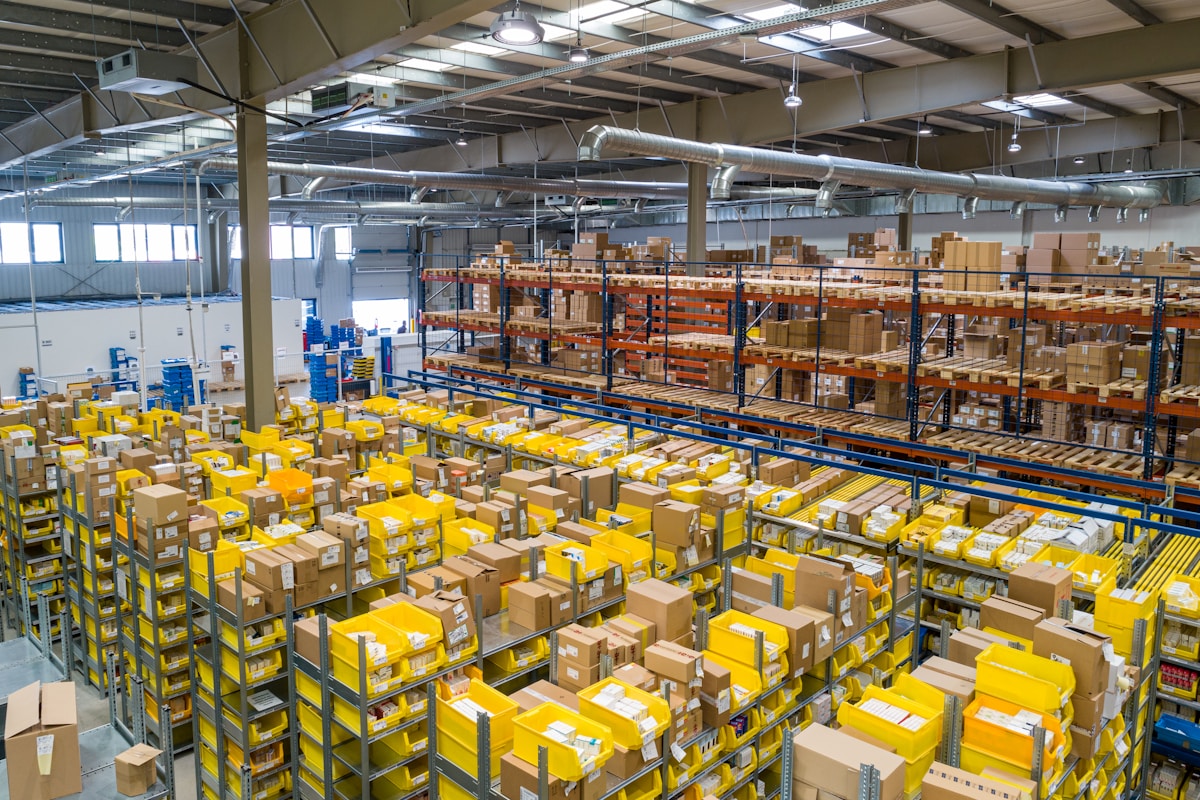
Storage facilities at origin and destination provide critical flexibility in managing supply chains. At origin, storing grain in licensed warehouses allows traders to accumulate quantities for larger shipments while managing seasonal price fluctuations. Destination storage enables traders to optimize discharge schedules and respond to destination market conditions.
Risk Management in Agricultural Trading
Agricultural commodity trading involves multiple concurrent risks that must be actively managed. Price risk, currency risk, credit risk, and operational risk all require systematic mitigation strategies.
Futures markets provide hedging tools for managing price volatility. The Chicago Board of Trade (CBOT), Euronext Paris, and other exchanges offer standardized contracts for major agricultural commodities. While hedging cannot eliminate price risk entirely, it converts variable prices into known costs, enabling more predictable business planning.
I've learned that position sizing discipline prevents catastrophic losses. Never concentrate more than 10-15% of your trading capital in a single cargo or origin. Diversification across commodities, origins, and timing reduces exposure to any specific risk event.
Personal Insights from Two Decades of Agricultural Trading
After 20 years in this industry, several lessons stand out as particularly valuable. First, relationships matter more than transactions. The traders who succeed consistently are those who build long-term partnerships with reliable suppliers and customers. A handshake deal backed by decades of mutual trust often executes more smoothly than a contract negotiated over months.
Second, information advantages create sustainable profits. Subscribing to market reports, attending industry conferences, and developing direct communication channels with producers provides insights that aren't yet reflected in public prices. The traders who know what's happening in Brazilian soybean fields before the market does consistently outperform.
Third, operational excellence differentiates good traders from great ones. Managing quality claims, coordinating vessel schedules, and navigating customs procedures may seem mundane, but executing these tasks flawlessly while competitors struggle creates lasting competitive advantage.
Getting Started in Agricultural Commodity Trading
Entering agricultural trading requires substantial capital, industry knowledge, and risk tolerance. Start with familiar commodity categories where you understand quality specifications and end-use requirements. Focus initially on a single origin-destination corridor before expanding geographic scope.
Build relationships with reputable freight forwarders, inspection companies, and financial institutions before you need them. When your first cargo shipment arrives, having established contacts who know your business ensures smoother operations.
Most importantly, never stop learning. Agricultural markets evolve constantly due to weather patterns, policy changes, technological advancements, and shifting consumer preferences. The traders who commit to continuous education and adaptation build sustainable businesses over decades.